Global Markets
Libya's property market, read carefully
Benghazi and Tripoli are rebuilding. What a careful investor should understand about title, tenure and patience before the first conversation.
1 October 2026 · 2 min read

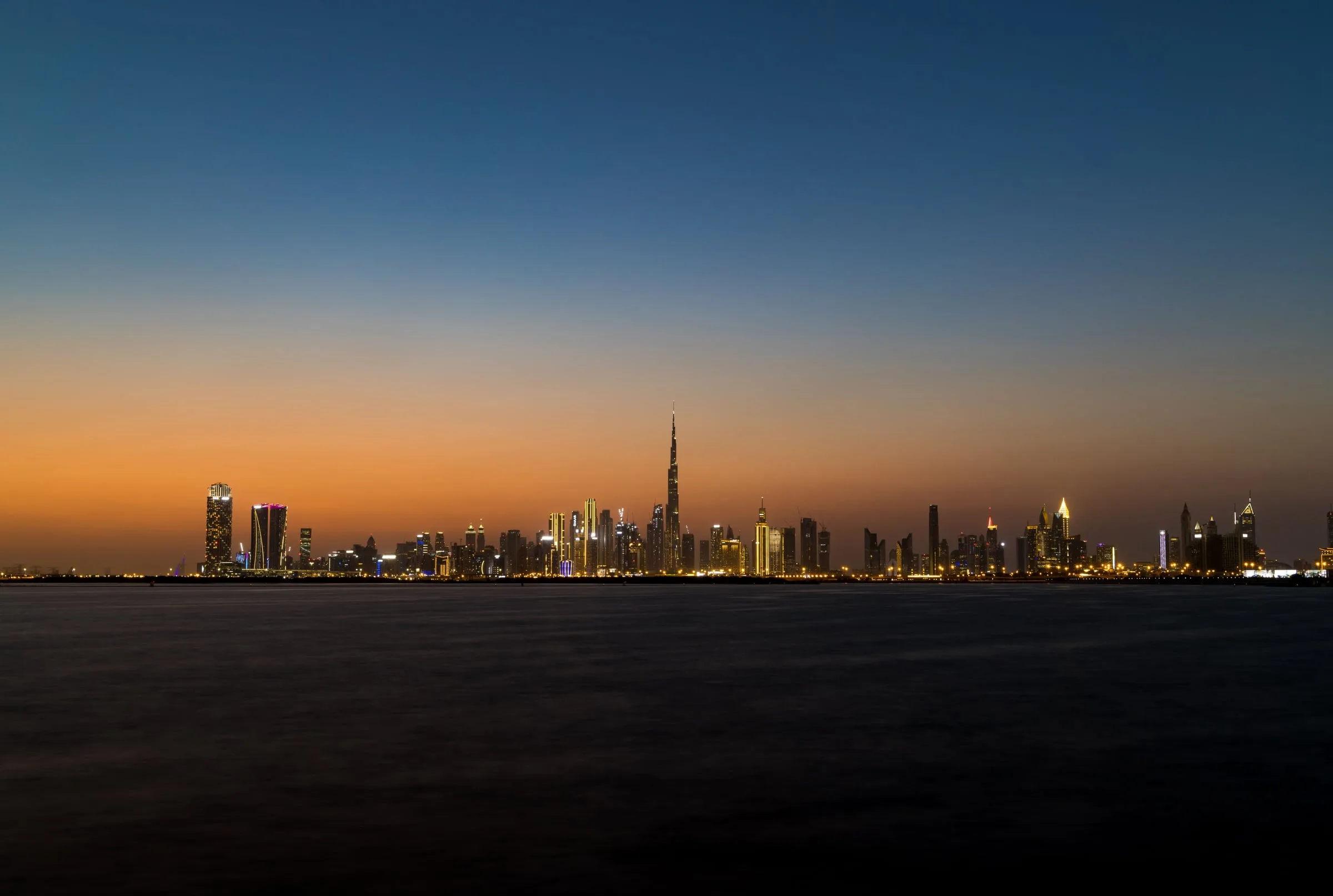
Photograph: Z El Baz (Unsplash)
Libya is the group's second market and its most demanding. The country's coast, its cities and its people argue for optimism; its registries argue for care. Anyone considering property in Benghazi or Tripoli should hold both thoughts at once.
The central fact is tenure. Law No. 4 of 1978 limited private ownership to one dwelling per family and transferred much else to the state, and the decades since have left many titles layered: an original owner, a state allocation, an occupant, and sometimes a purchaser from each. Successive governments have passed measures to address the claims that followed, and the courts and the Real Estate Registration Authority continue to work through them. A title that reads cleanly today may still carry a claim from forty years ago, and the only answer is a search of the register, the municipal records and the chain of deeds, carried out by a Libyan lawyer who does this work and nothing else.
The second fact is reconstruction. Benghazi's centre, badly damaged in the fighting of the last decade, has been the subject of large public rebuilding programmes, and the city's coastal districts and its university quarter have drawn private capital back. Tripoli's demand has never left; its constraint is serviced land and the pace of permissions. In both cities the best-placed assets are those with clean title in established districts, bought from owners who can show the whole history, rather than land in new zones whose infrastructure is a promise.
The third fact is currency and transfer. Libya's banking system and its exchange arrangements set practical limits on how a foreign investor funds a purchase and takes income out, and those limits change. Structures that are workable are usually built with a Libyan partner, a local company and patient capital that does not need to leave quickly.
MONTRÉAL's approach follows from these facts. The group presents no Libyan inventory on this site; it holds conversations, visits sites with its own advisers, and acts only where title, partner and purpose are clear. The opportunity is real, and it rewards those who arrive prepared to wait.
Views expressed are those of the author and do not constitute investment advice.
Further reading
Global Markets
Dubai's residential market, 2025, in numbers
What the Land Department, Knight Frank and Savills recorded for the year, and why the prime figures should be read with care.
12 Oct 2026 · 2 min read