Design
Light, stone and silence
The quiet decisions behind the Gulf's best interiors: how light is let in, what the floor is made of, and why the rooms that last are the ones that say least.
8 October 2026 · 2 min read
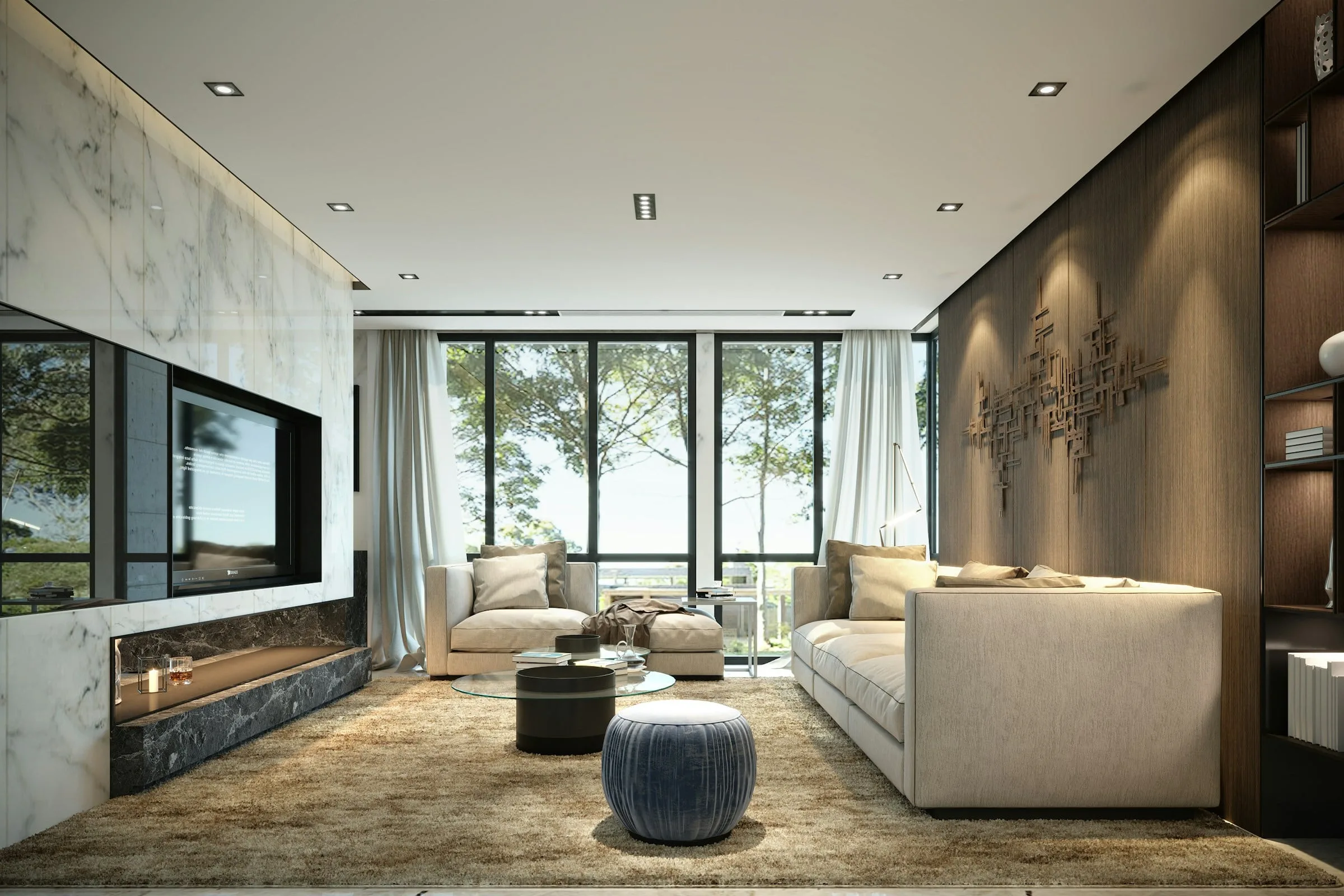
Photograph: @aalolens (Unsplash)
The interiors that still look right after a decade are rarely the ones that photographed best at launch. They share a handful of decisions, made early and kept to, about light, material, proportion and sound.
Light is managed before it is admitted. A room facing the afternoon sun needs a layer between the glass and the furniture: a deep reveal, a timber or metal screen, a sheer that diffuses without darkening. The Gulf's older houses did this with the mashrabiya and the courtyard; the best new apartments do it with a shaded terrace that keeps the glare a metre outside the glass. Inside, the rule is that daylight should reach the back of the room and that no single surface should be bright enough to hurt.
Floors carry the room. Travertine, limestone and the honed marbles age with grace, take a cool underfoot temperature that the climate rewards, and can be re-honed when the years show. Large-format tile imitates them at a distance and fails at the threshold. Timber belongs in bedrooms and studies, where it is dry and quiet; it is unhappy beside a pool. Lime plaster and microcement on walls give a depth that paint cannot, and they forgive the small movements a new tower makes in its first summers.
Proportion is the decision most often skipped. A ceiling of three metres or more changes everything that happens beneath it; a long room that is narrow needs its furniture to run with it, not across it. Doors should reach the ceiling where they can, windows should sit low enough to see the ground from a chair, and the kitchen, if it is open, should be built as a piece of furniture rather than a row of appliances.
Sound is the last and the least seen. Stone floors, glass walls and tall ceilings make rooms that ring. Curtains, a large rug, upholstered pieces and acoustic plaster on at least one surface bring the room back to the pitch of conversation. The owners of the best apartments in the region notice none of this consciously; they simply find that the rooms are easy to be in, at noon and at midnight, and that nothing in them asks for attention.
Views expressed are those of the author and do not constitute investment advice.